
When people search for “williamsburg va weather”, they’re usually planning a trip, a move, or simply trying to understand what to expect from this historic city’s climate. Located in the heart of Virginia’s Historic Triangle, Williamsburg experiences a classic humid subtropical climate with four distinct seasons—each offering a very different experience for residents and visitors.
This guide breaks down Williamsburg’s weather throughout the year, what makes each season unique, and how conditions can impact travel, tourism, and outdoor activities.
Overview of Williamsburg VA Weather
The weather in Williamsburg is generally mild compared to many parts of the United States, but it does include hot, humid summers and cool winters.
Key climate characteristics:
Warm to hot summers with high humidity
Mild but occasionally chilly winters
Pleasant spring and fall seasonsModerate rainfall throughout the year
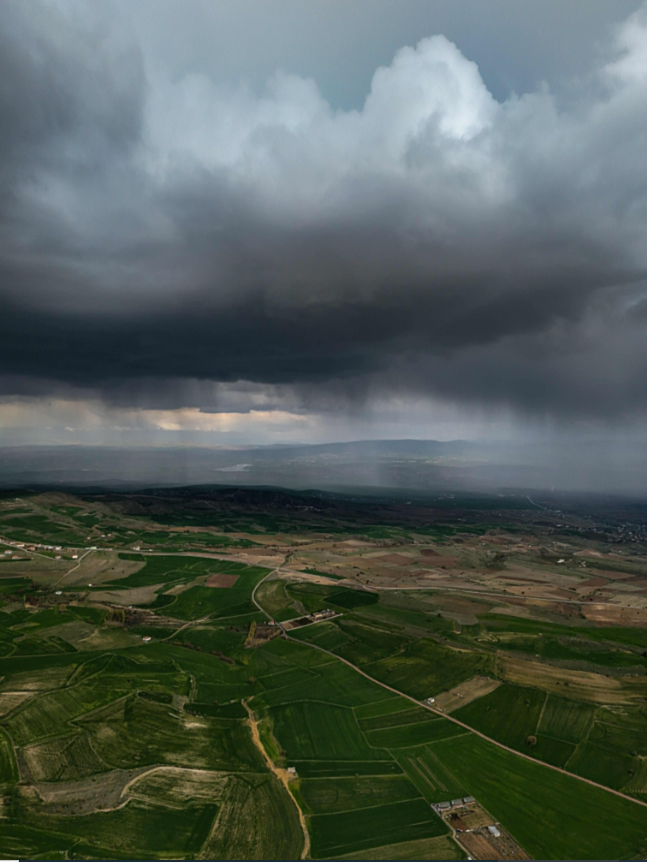
Occasional storms, especially in summer and hurricane season
Because of its location in southeastern Virginia, Williamsburg is influenced by both Atlantic coastal weather patterns and inland temperature shifts.
Spring Weather in Williamsburg VA (March to May)
Spring is one of the most beautiful times of the year in Williamsburg.
Temperatures
March: 45°F – 65°F (7°C – 18°C)
April: 50°F – 75°F (10°C – 24°C)
May: 60°F – 80°F (16°C – 27°C)
What to Expect
Spring brings blooming flowers, green landscapes, and comfortable temperatures. Rain is fairly common, but usually not long-lasting.
Why Spring is Popular
Ideal walking weather
Perfect for visiting historic sites
Fewer extreme temperatures
Beautiful gardens at Colonial landmarks
Spring is considered one of the best times to explore outdoor attractions like Colonial Williamsburg.
Summer Weather in Williamsburg VA (June to August)
Summer in Williamsburg is hot, humid, and lively.
Temperatures
June: 70°F – 88°F (21°C – 31°C)
July: 75°F – 92°F (24°C – 33°C)
August: 73°F – 90°F (23°C – 32°C)
What to Expect
Humidity levels are high, and afternoons often feel hotter than actual temperatures suggest. Thunderstorms are common but usually short.
Summer Highlights
Peak tourist season
Water parks and outdoor attractions
Long daylight hours
Festivals and events
Visitors should stay hydrated and plan outdoor activities in the morning or evening to avoid peak heat.
Fall Weather in Williamsburg VA (September to November)
Fall is arguably the most comfortable and scenic season in Williamsburg.
Temperatures
September: 65°F – 82°F (18°C – 28°C)
October: 55°F – 72°F (13°C – 22°C)
November: 45°F – 65°F (7°C – 18°C)
What to Expect
Humidity drops, temperatures cool down, and the city transforms with vibrant autumn colors.
Why Fall is Special
Crisp, comfortable weather
Stunning fall foliage
Ideal sightseeing conditions
Less crowded attractions
Fall is especially popular for historical tours and walking around downtown Williamsburg.
Winter Weather in Williamsburg VA (December to February)
Winter is generally mild but can occasionally bring cold snaps.
Temperatures
December: 35°F – 55°F (2°C – 13°C)
January: 30°F – 50°F (-1°C – 10°C)
February: 32°F – 55°F (0°C – 13°C)
What to Expect
Snow is light and infrequent, but frost and cold winds can occur. Rain is more common than snow during winter months.
Winter Highlights
Fewer tourists
Lower travel costs
Peaceful atmosphere
Holiday decorations in historic areas
Even in winter, attractions like Colonial Williamsburg remain open and offer a cozy historical experience.
Rainfall and Storms in Williamsburg VA
Rain is spread fairly evenly throughout the year in Williamsburg, with an average of 45–50 inches annually.
Key Weather Events:
Afternoon thunderstorms in summer
Occasional tropical storm remnants in late summer/early fall
Light snowfall in winter
Humid conditions in warmer months
Hurricane season (June–November) can sometimes bring heavy rain or wind, though direct hits are rare.
Best Time to Visit Williamsburg VA Based on Weather
If your goal is to enjoy pleasant weather and outdoor exploration, the best times to visit are:
Spring (March–May)
Best for flowers, gardens, and sightseeing
Fall (September–November)
Best for comfortable temperatures and fall colors
These seasons provide the most balanced weather conditions for exploring both modern attractions and historic landmarks.
How Weather Affects Tourism in Williamsburg
Weather plays a major role in tourism patterns in Williamsburg.
Summer
Highest number of tourists
Busy hotels and attractions
Hot but energetic atmosphere
Spring & Fall
Balanced tourism
Ideal for historical exploration
Comfortable outdoor walking conditions
Winter
Lowest tourist season
Quiet, relaxed environment
Great for budget travelers
Understanding weather patterns helps visitors choose the right time for their travel goals.
Travel Tips for Williamsburg VA Weather
Here are some practical tips to make your trip more comfortable:
1. Dress in Layers
Weather can change throughout the day, especially in spring and fall.
2. Prepare for Humidity
Summer humidity can feel intense—light clothing and hydration are essential.
3. Carry Rain Protection
A light rain jacket or umbrella is useful year-round.
4. Check Forecast Before Outdoor Tours
Weather can shift quickly, especially during storm season.
5. Plan Early Morning Activities in Summer
Avoid peak heat hours for walking tours and outdoor visits.
Final Thoughts on Williamsburg VA Weather
The weather in Williamsburg offers something for every type of traveler. Whether you prefer warm summer adventures, colorful autumn walks, blooming spring gardens, or peaceful winter escapes, the city’s climate supports year-round tourism.
For history lovers exploring Colonial Williamsburg or families planning a vacation, understanding the seasonal weather helps you make the most of your visit.
If you’re planning a trip, spring and fall remain the top recommendations for the most enjoyable and comfortable experience.